
Koinly vs CoinTracker 2026: Which Is the Better Crypto Tax Software?
This article contains affiliate links. If you sign up for Koinly through a link on this page, I may earn a commission at no extra cost to you. I only recommend tools I have genuinely evaluated.
This article is for informational purposes only and does not constitute professional tax or financial advice. Tax laws vary by country and change frequently. Consult a qualified tax professional for advice specific to your situation.
If you are trying to decide between Koinly vs CoinTracker and every comparison you find either reads like marketing copy for one platform or gives you a vague “both are good, it depends” answer — this guide does not. Koinly vs CoinTracker is a comparison that has a clear winner for specific investor profiles, and after evaluating both platforms directly with a 30-year finance background, I can tell you precisely which one fits which situation and why.
Koinly vs CoinTracker looks like a direct competition on the surface — both platforms import crypto transactions, calculate gains, and generate tax reports. The difference is in depth, flexibility, and what each platform does when it encounters something complex. That distinction determines which one belongs in your workflow.
By the end of this Koinly vs CoinTracker comparison, you will know exactly which platform is right for your specific activity type, jurisdiction, and approach to tax compliance — with no hedging.
Koinly’s free plan lets you import and review your data before committing. Start with Koinly’s free plan here.
Quick Answer: Koinly vs CoinTracker
Koinly vs CoinTracker in one paragraph: Koinly is the better choice for investors with complex crypto activity — multiple exchanges, DeFi protocols, NFT transactions, staking across several networks, or non-US jurisdictions. It offers more granular transaction control, broader multi-chain coverage, wider international report support, and more transparent handling of complex scenarios. CoinTracker is the better choice for straightforward US-based investors who want a simple, minimal-configuration experience with strong TurboTax integration and do not need deep DeFi or multi-jurisdiction support. For the majority of active crypto investors reading this comparison, Koinly is the more capable tool.
Koinly vs CoinTracker: What Each Platform Is Built For
Understanding the Koinly vs CoinTracker comparison starts with understanding what each platform was designed to do — because the design philosophy drives every specific difference between them.
Koinly was built for completeness and transparency. The platform is designed to handle the full complexity of modern crypto investing — DeFi protocols across multiple chains, NFT activity, cross-chain bridges, staking on various networks, and reporting for investors in any of the 20+ supported jurisdictions. When Koinly encounters a transaction it cannot confidently classify, it flags it for user review rather than making a silent assumption. This transparency is a deliberate design choice that prioritises accuracy over the appearance of automation.
CoinTracker was built for simplicity and US integration. The platform is designed to make crypto tax calculation accessible for mainstream US investors — clean interface, minimal setup, strong Coinbase integration, and direct export compatibility with TurboTax. The Koinly vs CoinTracker simplicity comparison consistently favours CoinTracker for users who want a guided, low-configuration experience and whose crypto activity fits neatly into standard exchange trading patterns.
For the complete evaluation of Koinly’s features beyond what this comparison covers, our Koinly review covers everything in detail.
Koinly vs CoinTracker: Exchange and Wallet Coverage
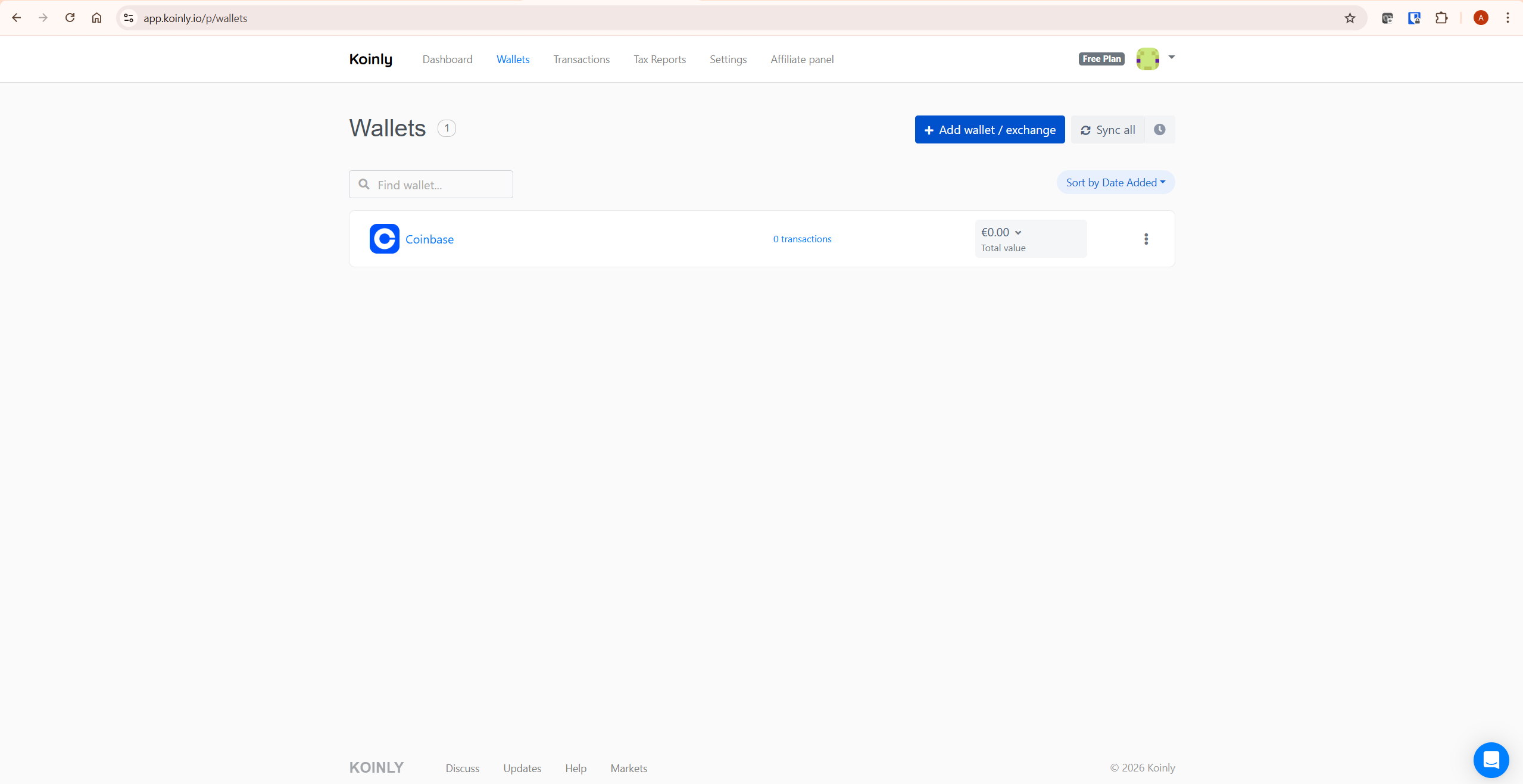
The practical value of any crypto tax tool depends on whether it actually supports the exchanges and wallets you use. In the Koinly vs CoinTracker coverage comparison, both platforms support the major centralised exchanges — Binance, Coinbase, Kraken, Bybit, OKX — but the depth of coverage diverges significantly at the edges.
Koinly supports over 750 exchanges, wallets, and blockchains. This includes virtually every major and mid-tier centralised exchange globally, direct wallet address imports for all major blockchains including Ethereum, Bitcoin, Solana, Polygon, Avalanche, BNB Chain, Arbitrum, and Optimism, and on-chain parsing of DeFi activity across most major protocols on supported networks. The Koinly vs CoinTracker coverage gap is most pronounced for investors using non-US exchanges, smaller regional platforms, or multiple DeFi networks simultaneously.
CoinTracker has strong coverage for the most popular US-facing exchanges and wallets, with particularly deep Coinbase integration — including a free plan tier for Coinbase One subscribers. For investors whose entire crypto activity occurs on a small number of major US exchanges, the Koinly vs CoinTracker coverage difference is minimal. For investors using international exchanges or multi-chain DeFi protocols, Koinly’s broader coverage is a meaningful practical advantage.
Koinly vs CoinTracker: DeFi and NFT Handling
This is the Koinly vs CoinTracker category where the gap is most significant — and where the choice between the two platforms is clearest.
Koinly provides structured support for the full spectrum of DeFi activity: token swaps on major DEXs, liquidity pool deposits and withdrawals, wrapped token conversions, staking reward classification, yield farming income, cross-chain bridge transactions, and NFT minting, trading, and transfer tracking across major marketplaces. When Koinly encounters a DeFi transaction it cannot automatically classify, it flags it explicitly — giving users the visibility and tools to correct it manually. This transparency is critical for DeFi-heavy portfolios where silent misclassification can produce dramatically incorrect gain figures.
CoinTracker supports DeFi and NFTs at a basic level, but advanced DeFi workflows — auto-compounding strategies, multi-protocol yield farming, complex liquidity positions — are handled with less granularity. The Koinly vs CoinTracker DeFi comparison consistently favours Koinly for investors with any meaningful on-chain activity. For a complete guide to how Koinly handles every DeFi scenario including the ones that require manual review, our Koinly DeFi and NFTs guide covers the full methodology.
Koinly vs CoinTracker: Accuracy
The Koinly vs CoinTracker accuracy question has the same answer as any crypto tax software accuracy question: both platforms are accurate when given complete data for standard activity, and both require user review for complex DeFi scenarios. The difference is in what each platform does when it cannot classify a transaction automatically.
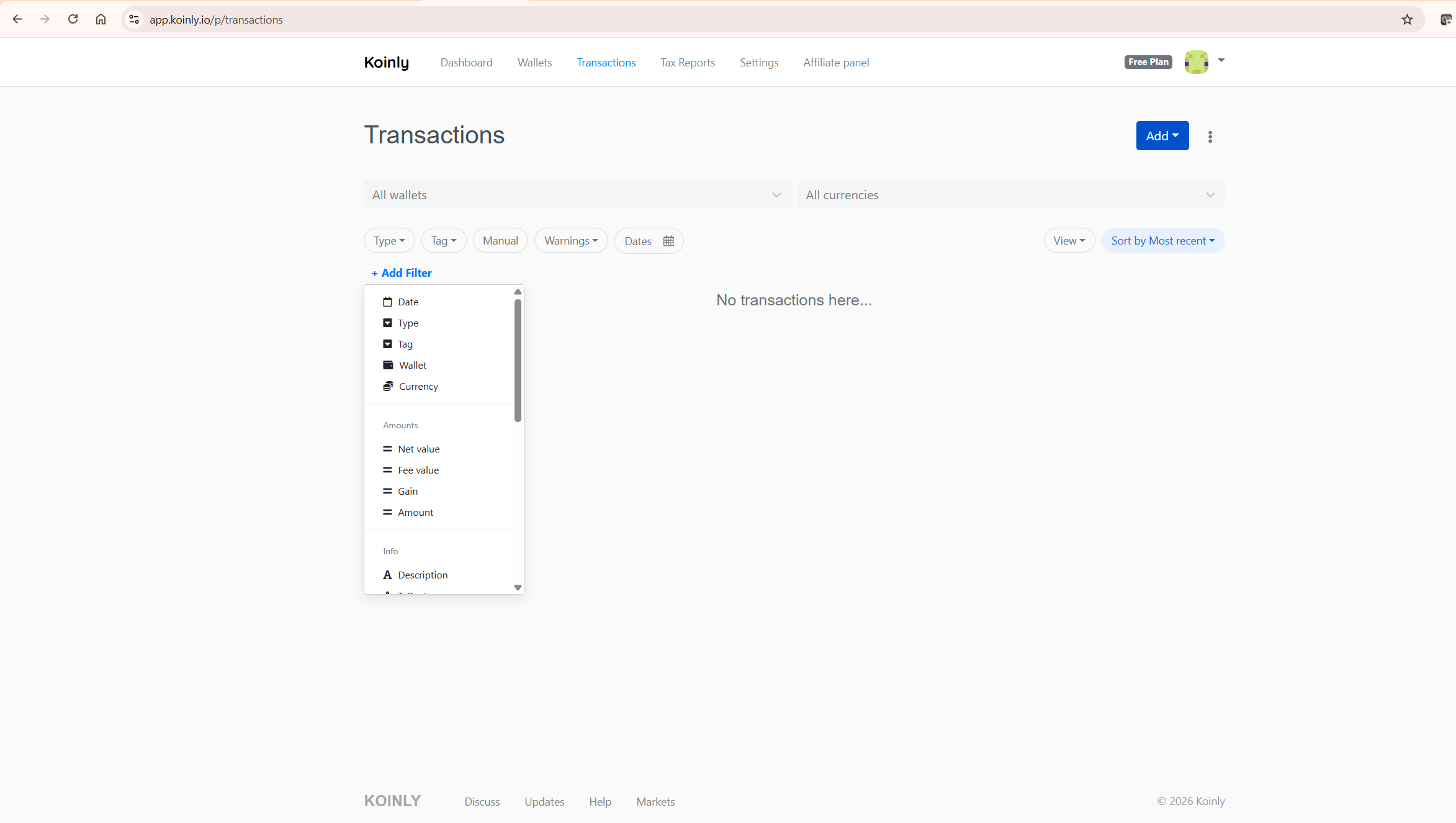
Koinly flags uncertain classifications explicitly and provides granular manual editing tools. You can see exactly what classification the platform has applied to each transaction, why it flagged certain items, and how to correct them. This transparency makes Koinly vs CoinTracker a clear win for Koinly on audit defensibility — because your tax report reflects classifications that you have actively reviewed and confirmed, not automated assumptions you were never shown.
CoinTracker takes a more automated approach that can feel cleaner but provides less visibility into classification decisions. For straightforward portfolios this is fine. For complex portfolios, less visibility means less confidence in the accuracy of the output. The Koinly vs CoinTracker accuracy comparison ultimately favours Koinly for anyone whose portfolio generates classification uncertainty — which includes most active DeFi users.
For the detailed methodology on what makes Koinly accurate and where human review is essential, our is Koinly accurate guide covers every scenario including the specific situations where both platforms require manual intervention.
Koinly vs CoinTracker: Pricing
The Koinly vs CoinTracker pricing comparison requires looking beyond headline figures to understand the actual cost at different transaction volumes.
Koinly’s pricing is transaction-based per tax year. The free plan allows full import and preview of calculated gains without downloading reports. Paid plans start at the Hodler tier for up to 1,000 transactions, the Trader tier for up to 3,000, and the Pro tier for 10,000 or more. Pricing varies by region — check koinly.io for current rates. Koinly’s free preview capability is a meaningful differentiator in the Koinly vs CoinTracker comparison — you can verify the platform’s accuracy for your specific situation before paying anything.
CoinTracker’s pricing is also transaction-based, with a free tier that covers up to 25 transactions. Coinbase One subscribers receive discounted or free access to certain CoinTracker tiers, which is a genuine advantage for Coinbase-primary investors. At higher transaction volumes, CoinTracker’s pricing tends to be higher than Koinly’s comparable tier. According to IRS digital assets guidance, accurate reporting of all crypto disposals is required regardless of the tool used — making cost-per-accurate-report the more relevant metric than raw plan pricing. For the complete Koinly pricing breakdown, our Koinly pricing guide covers every tier.
Koinly vs CoinTracker: International Support
The Koinly vs CoinTracker international support comparison is one of the clearest differentiators between the two platforms — and for non-US investors, it is often the deciding factor.
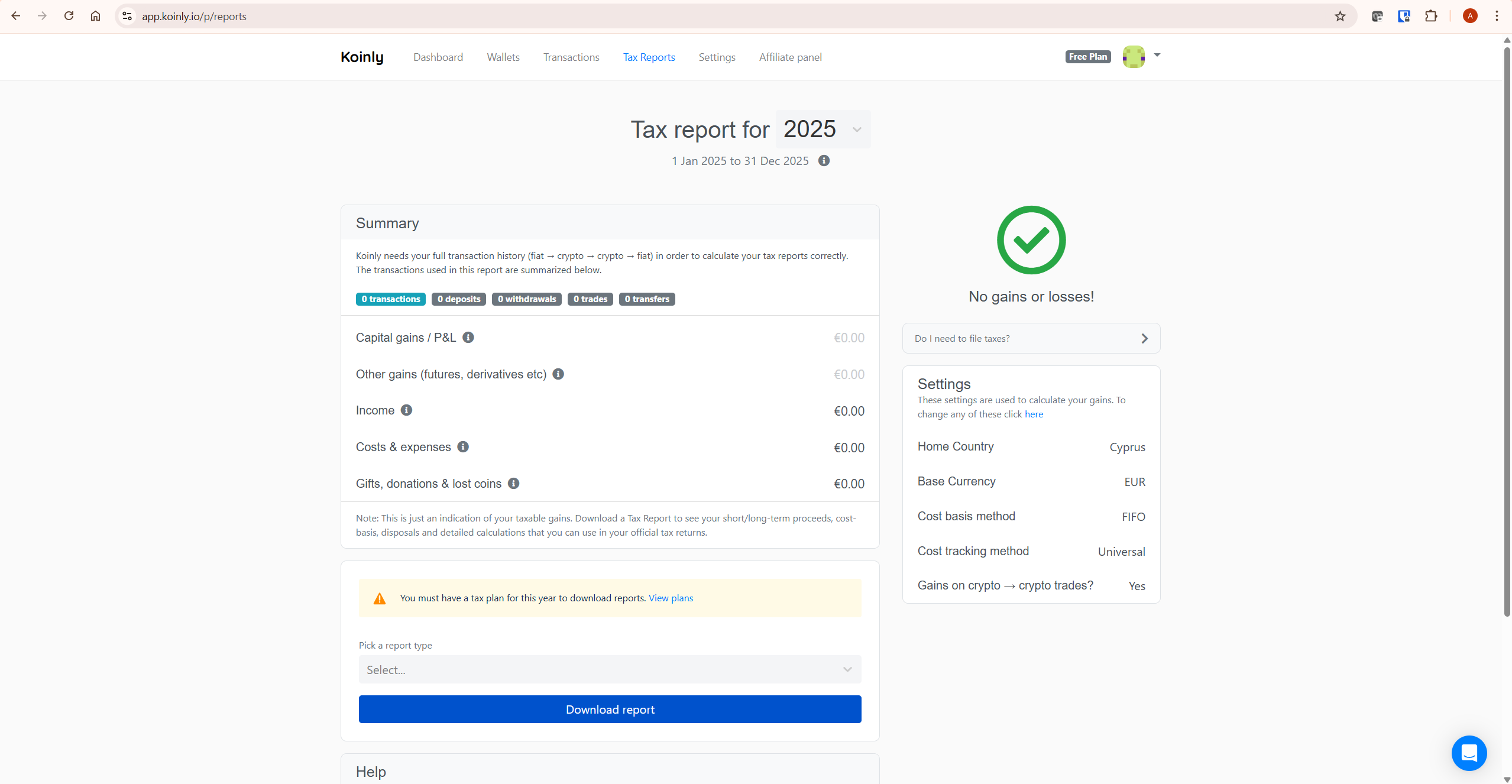
Koinly supports over 20 countries with jurisdiction-specific tax reports. This includes the United States (Form 8949, Schedule D), the United Kingdom (HMRC Capital Gains Summary), Australia (ATO myTax report), Canada (Schedule 3), Germany, Sweden, Norway, Denmark, Finland, Ireland, the Netherlands, South Africa, Japan, and others. The Koinly vs CoinTracker international comparison is decisive for UK, EU, and Australian investors — Koinly’s HMRC-compatible reporting meets the requirements outlined in HMRC’s cryptoassets guidance for individuals regarding Capital Gains Tax reporting on crypto disposals.
CoinTracker’s strongest report support is for US tax forms. International reporting exists but with less depth and fewer jurisdiction-specific formats than Koinly. The Koinly vs CoinTracker decision for any investor outside the US should default to Koinly on the basis of report quality alone.
Koinly vs CoinTracker: Ease of Use
The Koinly vs CoinTracker usability comparison is where CoinTracker has a genuine advantage — and being honest about this matters for investors who prioritise simplicity over depth.
CoinTracker’s interface is cleaner and more beginner-friendly. The setup process is guided, the dashboard is minimal, and the number of decisions the user needs to make is deliberately small. For investors who want to connect their exchanges, generate a report, and be done — with no desire to review individual transaction classifications or manage complex wallet structures — CoinTracker’s simplicity is a real advantage in the Koinly vs CoinTracker usability comparison.
Koinly’s interface is more information-dense. The transaction review tools, filtering options, and manual classification controls give experienced users more capability but require more engagement. This is not a design flaw — it reflects Koinly’s philosophy that accurate tax reporting requires user review rather than passive automation. For investors who want to understand and verify their tax position rather than simply generate a report, Koinly vs CoinTracker favours Koinly on depth and control.
Koinly vs CoinTracker: Who Should Choose Each Platform
The Koinly vs CoinTracker decision maps directly to your investor profile.
Choose Koinly in this Koinly vs CoinTracker comparison if you use multiple exchanges simultaneously, have any DeFi activity including staking, liquidity provision, or token swaps, hold NFTs or have NFT transaction history, are based outside the United States or need multi-jurisdiction reporting, want to review and understand your transaction classifications rather than accepting automated results, or have a transaction volume where pricing competitiveness at higher tiers matters.
Choose CoinTracker in this Koinly vs CoinTracker comparison if you are a US-based investor who trades primarily on Coinbase or a small number of major US exchanges, your crypto activity is straightforward spot trading with no DeFi involvement, you are a Coinbase One subscriber who qualifies for discounted CoinTracker access, or you want the minimum possible configuration effort and are comfortable with less visibility into transaction classifications.
Frequently Asked Questions: Koinly vs CoinTracker
Is Koinly or CoinTracker more accurate?
Koinly vs CoinTracker on accuracy: both platforms produce accurate results for standard exchange trading when complete data is imported. For complex DeFi activity, Koinly’s more granular transaction classification tools and explicit flagging of uncertain transactions give users more confidence in the accuracy of the final report. CoinTracker’s more automated approach can obscure classification decisions that experienced investors would want to verify. For investors with any DeFi activity, Koinly vs CoinTracker favours Koinly on accuracy confidence.
Is Koinly cheaper than CoinTracker?
Koinly vs CoinTracker on pricing: at comparable transaction volumes, Koinly is generally more cost-effective particularly at higher tiers. Koinly also allows free import and preview of your complete tax position before paying — which CoinTracker does not offer at the same depth. The exception is for Coinbase One subscribers who receive discounted CoinTracker access, which can make CoinTracker more cost-effective for that specific user profile.
Does Koinly support more countries than CoinTracker?
Koinly vs CoinTracker on international support: yes — Koinly supports 20+ countries with jurisdiction-specific tax reports including HMRC-compatible UK reports, ATO-compatible Australian reports, and specific formats for Germany, Canada, Sweden, and others. CoinTracker’s strongest support is for US tax forms. For any investor outside the United States, Koinly vs CoinTracker is a straightforward decision in Koinly’s favour on report quality and jurisdiction coverage.
Can I switch from CoinTracker to Koinly?
Koinly vs CoinTracker switching: yes — you can start a Koinly account and reconnect your exchanges and wallets at any time. Your historical transaction data is pulled directly from your exchanges and blockchains when you connect, so switching platforms does not lose any historical data. The Koinly free plan lets you import everything and review your calculated position before paying, which makes evaluating the switch risk-free.
Koinly vs CoinTracker: Final Verdict
Koinly vs CoinTracker resolves clearly once you map your investor profile to what each platform does best. For active crypto investors with multi-exchange portfolios, any DeFi activity, international tax obligations, or a need to understand and verify their transaction classifications — Koinly is the stronger platform. For US-based casual investors with simple exchange activity who want minimum configuration and strong TurboTax integration — CoinTracker serves that profile well.
The Koinly vs CoinTracker choice for most active crypto investors in 2026 is Koinly — because the complexity of modern crypto investing has outgrown what a simplicity-first platform can handle accurately. Start with the free plan, import your complete transaction history, and verify the accuracy before upgrading. Get started with Koinly’s free plan here.
For the complete Koinly platform evaluation, read our full Koinly review. For how to use Koinly correctly from initial setup through to generating your tax report, our how to use Koinly guide covers every step.
